
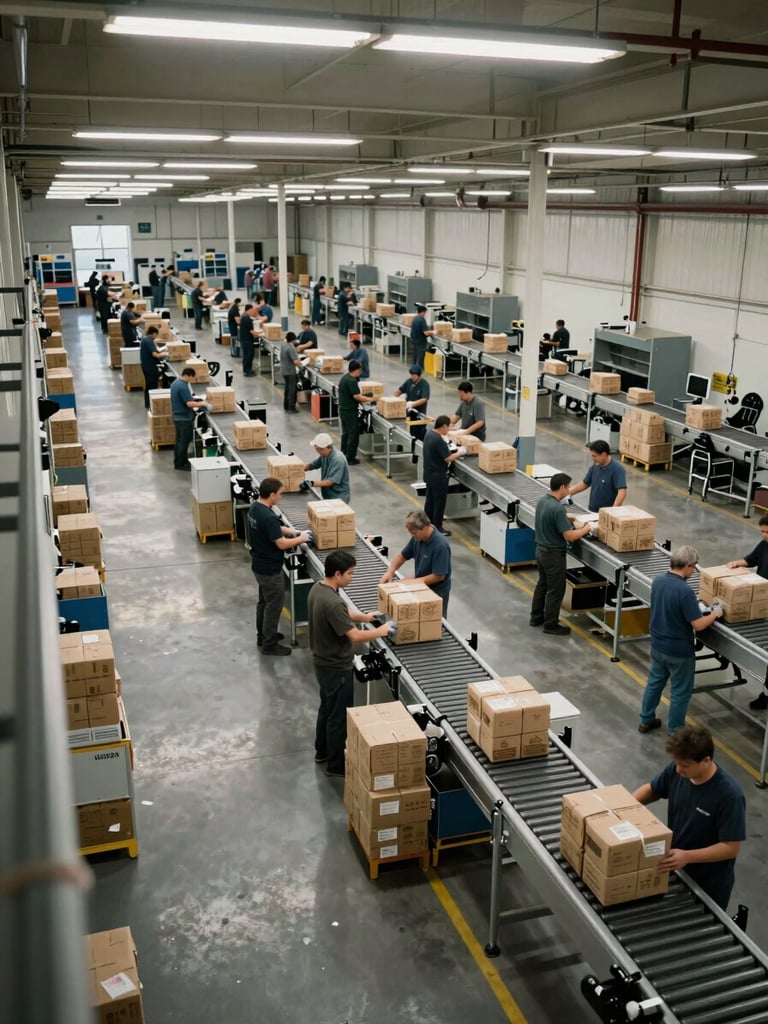
Owned assets. Single contract. No gaps.
Impact was structured around a specific problem: the gap between packaging manufacturing and logistics execution is where supply chain costs accumulate. We closed that gap by owning both sides.
The handoff is where cost hides
Most mid-market manufacturers run separate packaging and logistics contracts. When specs change or timelines slip, neither vendor owns the problem. We designed Impact so that conversation never happens.
Real commitments, not subcontracted promises
4 Owned Facilities
120+ Fleet Units
40 Engineers On Staff
Packaging manufacturing plants across the Midwest and Southeast — no third-party production floor dependencies.
Dedicated freight and last-mile fleet means capacity commitments hold — regardless of spot-market conditions or 3PL availability.
Industrial and process engineers who design around your actual flow — not a product catalog looking for a fit.
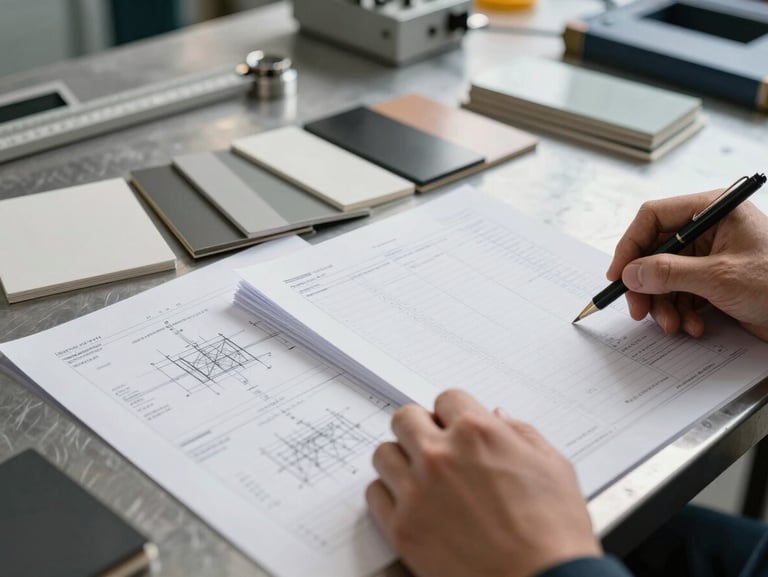

Operations expertise, not a sales playbook
The team behind Impact came from industrial engineering and supply chain operations — not packaging sales. Every engagement starts with a flow audit, not a catalog.
That background shapes every recommendation: total landed cost and actual shelf velocity, measured against your specific distribution network.